News: From the Sidelines: The "Why" Behind the Wait
| Date Published |
Author |
| 3/18/2026 12:00:00 AM |
Portland Athletic Facilities Team |
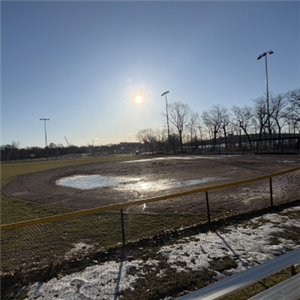
Protecting Portland's Fields for the Long Game
Spring in Maine is a season of anticipation. As the snow melts, we know our community is eager to hear the "crack of the bat" and the whistle of the kick-off. However, there is a critical window between the thaw and the first game when our fields are most vulnerable.
To ensure our natural grass fields, from Payson Park to the Deering High complex, remain safe and high-quality through the summer, we are asking for your help in observing our annual "Spring Sleep" period.
The Science of the "Jelly Phase"
Our ballfields crew manages our natural turf using standards developed by leading agricultural programs at UMass Amherst, Cornell University, and Purdue. These experts identify early spring as a high-risk "Jelly Phase" for soil, when the top layer of dirt thaws while the ground six inches down remains frozen, and moisture becomes trapped at the surface. This creates a "jelly-like" consistency.
- The Damage: Stepping on the infield or turf now doesn't just leave a footprint; it destroys the soil structure.
- The Result: Once that mud dries, it hardens into "concrete" ruts. These ruts create dangerous "bad hops" and ankle-turning hazards that are nearly impossible to fix once the season begins.
Our crews perform a "Squeeze Test" daily. We look for the infield mix to crumble when squeezed, rather than forming a mud ball. Until that happens, all use of grass fields, including organized team practices and individual drop-in use, is suspended.
The 50-Degree Wake-Up Call
Natural turfgrass is currently dormant. According to turfgrass specialists, grass roots do not begin to grow or repair themselves until soil temperatures consistently reach 50°F.
- The Risk: Cleats used on dormant grass "snap" the plant's crown.
- The Consequence: Because the grass can't heal yet, those bare patches become "dust bowls" or weed-beds by July.
Where Should You Play?
We want you active, but we need you to choose the right surface for the season:
- Indoor Facilities (Highly Recommended): Until the ground is firm, local indoor turf facilities, batting cages, and gymnasiums are the only way to ensure 100% safety for both the athlete and the earth.
- Artificial Turf (Limited Drop-In): Our artificial turf stadiums (Fitzpatrick and Memorial) are engineered for all-weather drainage. Public drop-in use is permitted on these surfaces only when a permitted group is not scheduled. Please check the MyRec calendar before heading out.
Thank you for your patience. A few weeks of patience in March and April saves a month of maintenance in June, and keeps our fields safe and playable all year!
Keep an eye out for the City Round-up and our MyRec site for updates on field opening and weather cancellations.
Want to see the science for yourself?
Check out these resources from our partners in turf management:
UMass Amherst: Spring Turf Management
Cornell University: Sports Turf Safety Standards